
Explainer · August 26, 2026 · 6 min · By Jefferson Aluko
What PRP Actually Costs in 2026: Hair, Knees, and the Package Math
Per-session prices make PRP look affordable. The protocol makes it a four-figure commitment. We collected the published 2026 numbers for hair and joint treatment and did the arithmetic clinics leave to the patient.
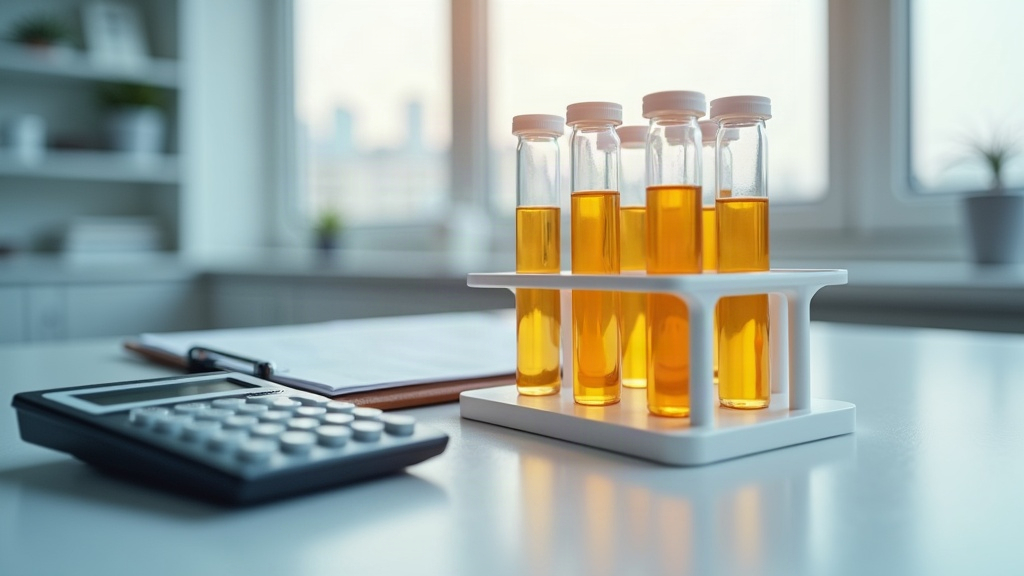
PRP is priced like a gym membership and sold like a procedure. The number on the website is one session; the biology requires a series; and the difference between those two figures is where most sticker shock in regenerative medicine lives. We collected the published 2026 prices for the two dominant uses, scalp injections for hair loss and joint injections for orthopedic pain, and ran the totals a patient actually pays.
The per-session numbers
Across 2026 price guides, a PRP injection runs $400 to $2,000 per session depending on site and provider, per Ubie Health's 2026 guide. Scalp treatment for hair loss is the premium tier at $750 to $2,500 per session, per StemCellTherapyFees, while knee injections run $500 to $1,500, per Regenerative Joint Clinics. Image guidance, ultrasound to place the needle accurately, adds $100 to $400 where it is used.
The series is the real price
No credible protocol is one session. Hair regimens run three to four initial sessions before maintenance every six to twelve months; knees typically take a series of two to three injections weeks apart. Do that arithmetic on the published per-session ranges and the real first-year commitment lands at $2,000 to $6,000 or more, the total-package range BetterCare's 2026 data reports directly. The session price is the teaser rate; the protocol is the price.
Findings worth quoting
From the collected 2026 figures: a hair-restoration patient following the standard initial protocol commits $2,250 to $10,000 in year one at published session rates, before maintenance. A knee patient completing a three-injection series commits $1,500 to $4,500. The spread between the cheapest and most expensive published session for the same treatment is up to five-fold, wider than almost any comparable clinic procedure, and the guidance fee that improves placement accuracy adds at most a fifth to the bill. PRP also remains, in most uses, a cash procedure: the guides we collected treat insurance coverage as the exception, not the rule.
Why the spread is so wide
The five-fold session spread is not arbitrary. Preparation systems differ in how much they concentrate platelets, whether white cells are kept or filtered, and whether the clinician injects under imaging or by landmark. A $400 session and a $1,800 session can be materially different products sharing three letters, which is why the cheapest quote is not automatically the same treatment. Our explainer on how PRP is actually made covers what those preparation differences mean; the rest of the archive covers the evidence by body part.
How we collected this
Prices were taken in August 2026 from published cost guides: Ubie Health, BetterCare, Regenerated Health, Regenerative Joint Clinics, and StemCellTherapyFees. Ranges are reported as published; the series totals are our multiplication of those ranges by the standard protocols the same sources describe.
The question that protects a PRP budget is not what a session costs. It is: how many sessions does your protocol assume, what happens to the price at maintenance, and what exactly is in the syringe at this price and not the cheaper one?